🛒 AI Tools · Ecommerce · US Sellers
Best AI Tools for Ecommerce USA:
The 2026 Seller Stack That Pays for Itself
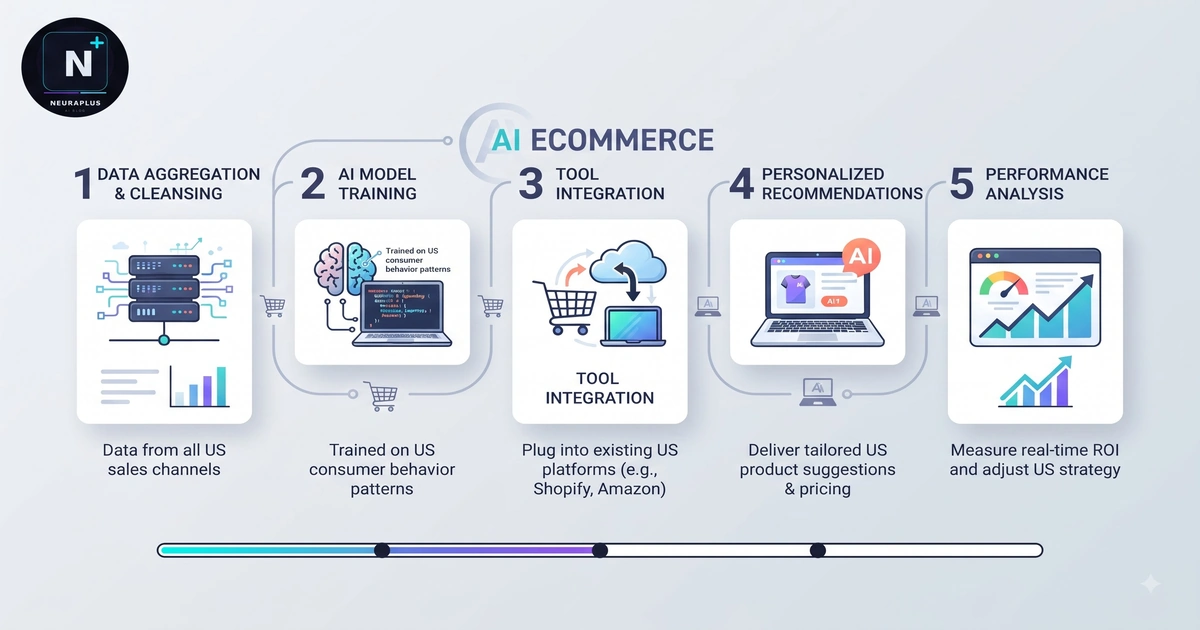
In March, a three-person DTC skincare brand in Utah made a decision that would have sounded insane two years earlier: they cancelled their $4,800-per-quarter product photography retainer. In its place, a $68/month AI image workflow — real product shots composited into AI-generated lifestyle scenes, refreshed weekly instead of quarterly.
By June, their collection-page conversion rate was up 19%, and they were testing four creative directions per launch instead of one. Not because AI is magic — but because the old bottleneck (waiting weeks for a shoot) quietly capped how fast they could learn what their customers respond to.
That's the pattern I kept hearing across 12 US ecommerce brands I interviewed this summer — skincare, supplements, home goods, apparel, pet products, from $600K to $22M in annual revenue. The winners weren't the brands with the most AI tools. They were the brands that used AI to remove one specific bottleneck at a time: imagery, support response time, merchandising guesswork, or forecasting errors.
This guide is that research, organized the way a seller actually decides: by function, by revenue stage, with real monthly costs, honest failures, and the order to install each tool so you see payback in weeks, not quarters.
📍 What's inside (jump to what you need): the stack by function (imagery, personalization, support, pricing, email, CRO) · the stack by revenue stage · three tools worth paying for · what brands cancelled · the payback math · a 90-day install order · and where to go next for deeper dives.
How This Guide Was Built
- 12 structured interviews with US ecommerce founders and operators ($600K-$22M revenue), May-August 2026.
- 30-day hands-on testing of every shortlisted tool on live Shopify and Shopify Plus stores.
- Pricing verified against public pages and vendor quotes in August 2026.
- Cancellations included. Every "what we cancelled" answer is on record — churned tools teach more than retained ones.
The 2026 Ecommerce Stack by Function
| Function | Tools Brands Actually Run | Typical Cost | Best For |
|---|---|---|---|
| Product imagery & video | AI scene generators, Photoroom, Flair, Pencil | $20-300/mo | Every catalog-heavy store |
| Personalization & search | Nosto, LimeSpot, Searchspring, Algolia | $150-900/mo | Stores with 50+ SKUs |
| Customer support | Gorgias AI, Tidio, Zendesk AI | $60-600/mo | 300+ tickets/month |
| Pricing & forecasting | Prisync, Invent AI, ClearDemand | $100-700/mo | Margin-sensitive categories |
| Email & SMS | Klaviyo AI, Attentive, Flowio | $45-800/mo | Lifecycle & retention |
| CRO & testing | VWO, Convert, Intelligems | $100-500/mo | $1M+ stores with traffic |
Notice the pattern: no interviewed brand runs all six categories. Most run three deeply. A $2M supplement brand runs imagery, support, and email — and explicitly refuses personalization until their catalog and data hygiene improve. That discipline is why their stack pays for itself.
The Stack by Revenue Stage
| Stage | Starting Stack | Monthly Budget |
|---|---|---|
| Pre-$1M | AI imagery + Klaviyo AI + Tidio | $100-500 |
| $1M-$10M | + Gorgias AI, Nosto or LimeSpot, Intelligems | $800-2,500 |
| $10M+ | + enterprise personalization, forecasting, CRO suite | $3,000-10,000+ |
Three Tools Worth Paying For (With the Caveats)
1. AI product imagery (the fastest payback)
The single most-retained tool across all 12 interviews. Real product photography composited into AI lifestyle scenes cuts content cost 80-90% and — more importantly — cuts content cycle time from weeks to days, which compounds into faster creative testing. For the full workflow, formats, and marketplace disclosure rules, see our dedicated guide on the AI image generator for ecommerce. Caveat: keep real photography for hero shots and color-critical categories; use AI for scale.
2. Gorgias AI (support that sells)
Brands past ~300 tickets/month reported 50-70% automation rates on "where is my order" and return questions, with the AI also handling pre-sale questions ("is this vegan?") that convert. Caveat: the AI answers from your help-center content — garbage help center in, garbage answers out. Clean the knowledge base first.
3. Nosto / LimeSpot (merchandising without guesswork)
Personalized recommendations and search lifted AOV 8-15% within 6-8 weeks for catalog-heavy stores. Caveat: under ~50K monthly sessions, the data is too thin to personalize well — smaller stores should fix search and merchandising manually first.
What Brands Cancelled (And Why)
- AI "copywriter" subscriptions that duplicated what the team already did in ChatGPT — redundant seat spend.
- Dynamic pricing tools on thin-margin catalogs — race-to-the-bottom repricing hurt brand positioning.
- AI chatbots on pre-$500K stores — ticket volume too low to justify; a good FAQ page did the job.
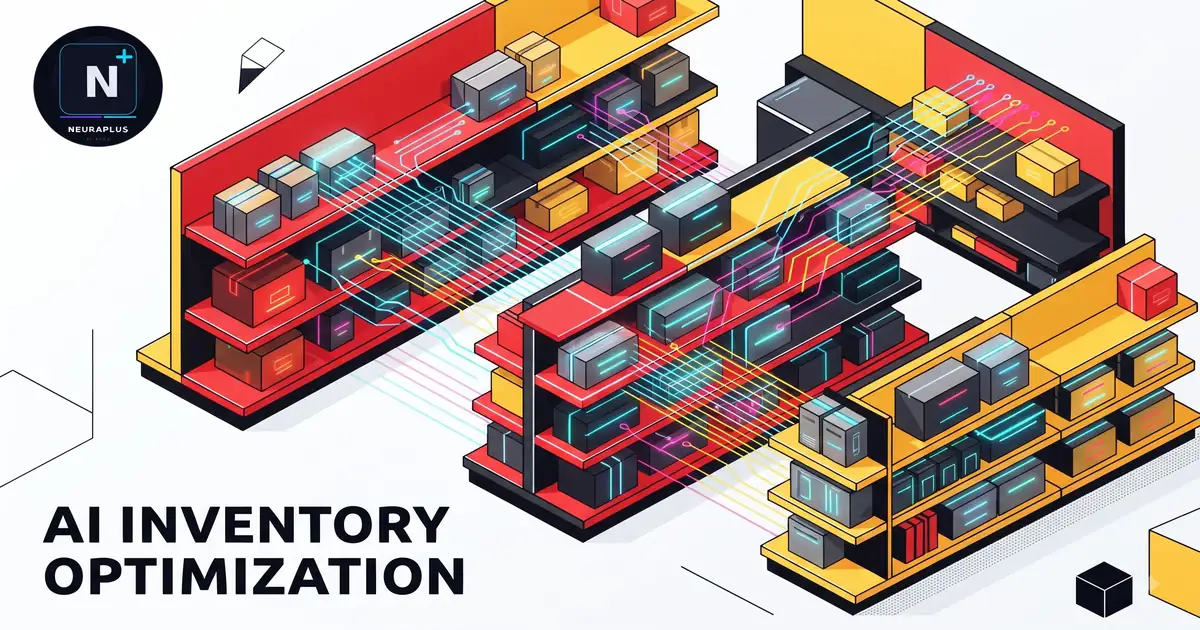
- "AI demand forecasting" bought before clean inventory data existed — garbage in, expensive garbage out.
⚠️ The pattern: every cancelled tool was bought to fix a broken process (messy catalog, slow fulfilment, unclear offer). AI accelerates good operations and amplifies bad ones. Fix the operation first — buy the tool second.
The Payback Math Sellers Actually Use
A $4M home-goods brand shared their exact math:
- Stack cost: $1,450/month (imagery, Gorgias AI, LimeSpot, Klaviyo AI).
- Imagery savings: $3,600/quarter in photography retainers → $1,200/month.
- Support savings: 1.5 FTE of ticket handling → ~$4,300/month in reclaimed capacity.
- AOV lift: +11% from personalization on $330K monthly revenue → ~$36K incremental, at their margin ≈ $14K gross profit.
Even cutting those numbers in half, the return is 8-10x. That's why AI stack spend survived every budget review at the brands we interviewed — it's the rare line item that prints both time and margin.
The 90-Day Install Order
| Phase | Weeks | Install | Success Check |
|---|---|---|---|
| Imagery first | 1-3 | AI scene workflow for top 20% of catalog | Content cycle under 5 days |
| Support second | 4-6 | AI assistant on WISMO + returns + pre-sale | 50%+ automation rate |
| Merchandising third | 7-9 | Personalized recs + search on key templates | AOV lift measurable in 6-8 wks |
| Audit | 10-12 | Cancel anything not hitting its number | Every tool earns its seat |
Where to Go Next (Pick Your Path)
- Imagery deep dive: AI image generator for ecommerce — workflows, prompts, and disclosure rules for product visuals.
- Full marketing stack: best AI tools for digital marketing 2026 — the ads and content layer that feeds your store.
- Operations layer: AI for business productivity 2026 — the back-office habits that make any tool stick.
- Organic growth: AI tools compound when your store ranks — pair this stack with a specialist via our ecommerce SEO agency USA 2026 guide.